
Hagia Sophia History: Chronicles Of An Iconic Architectural Journey
The Hagia Sophia: A Journey Through Time
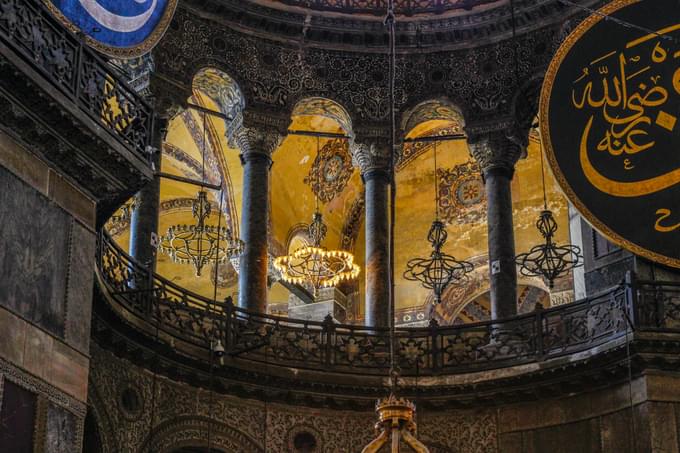
- The cumulative timeline of the Hagia Sophia history is of around 1500 years, and during this period, it suffered multiple attacks and went into the hands of various empires.
- During those 1500 years, it was used by both - Christians and Muslims as a place of worship, and it changed accordingly.
- The first structure was erected in the year 360 CE, and was developed on the lines of a Greek Orthodox church. But unfortunately, it was burnt down in 404 CE during political riots.
- From the multiple sources for Hagia Sophia facts, in the year 415 CE, the city came under the rule of the Roman Empire.
- The Roman Emperor finally ordered the reconstruction of Hagia Sophia, and thus, after its second round of construction, it was ready in 415 CE.
- Again, it was unfortunate when it burned down to the ground during the Nika Riots.
- The historical facts about the Hagia Sophia tell us that the present-day structure of the Hagia Sophia was reconstructed in the year 537 CE. This time also, it was developed as any other orthodox Christian Church.
- In 1453, Turkey came under the control of the Ottoman Empire, and Ottoman Sultan Mehmed II took over the reign of the whole city.
- He renamed the city to the present day “Istanbul” and ordered the renovation of Hagia Sophia. Hagia Sophia was redeveloped as an imperial mosque.
- Later, in the 20th century, President Kemal declared Hagia Sophia a secular structure and was developed as a museum.
- In 1985, UNESCO accorded it the title of “World Heritage Site” along with other sites in the city.
- Until 2020, it was a historical museum when President Erdogan, the current president, declared it a mosque. Since then, it has again become a place of worship.
Also Checkout: Hagia Sophia & Topkapi Palace Combo Tour
Hagia Sophia History Over the Centuries
.jpg?w=340&dpr=2)
- The east Roman Empire and the development of this place as a church is an essential part of Hagia Sophia's history.
- In its early days, it has been an essential place of worship for Christians.
- It was known as “Magna Ecclesia” (the Great Church), mainly because of its vast structure.
- During its period as a Hagia Sophia Church, it suffered huge losses and destruction during the year 404 C.E. and 532 C.E.
- Every part of the Byzantine Empire had played an essential role in completing its construction.
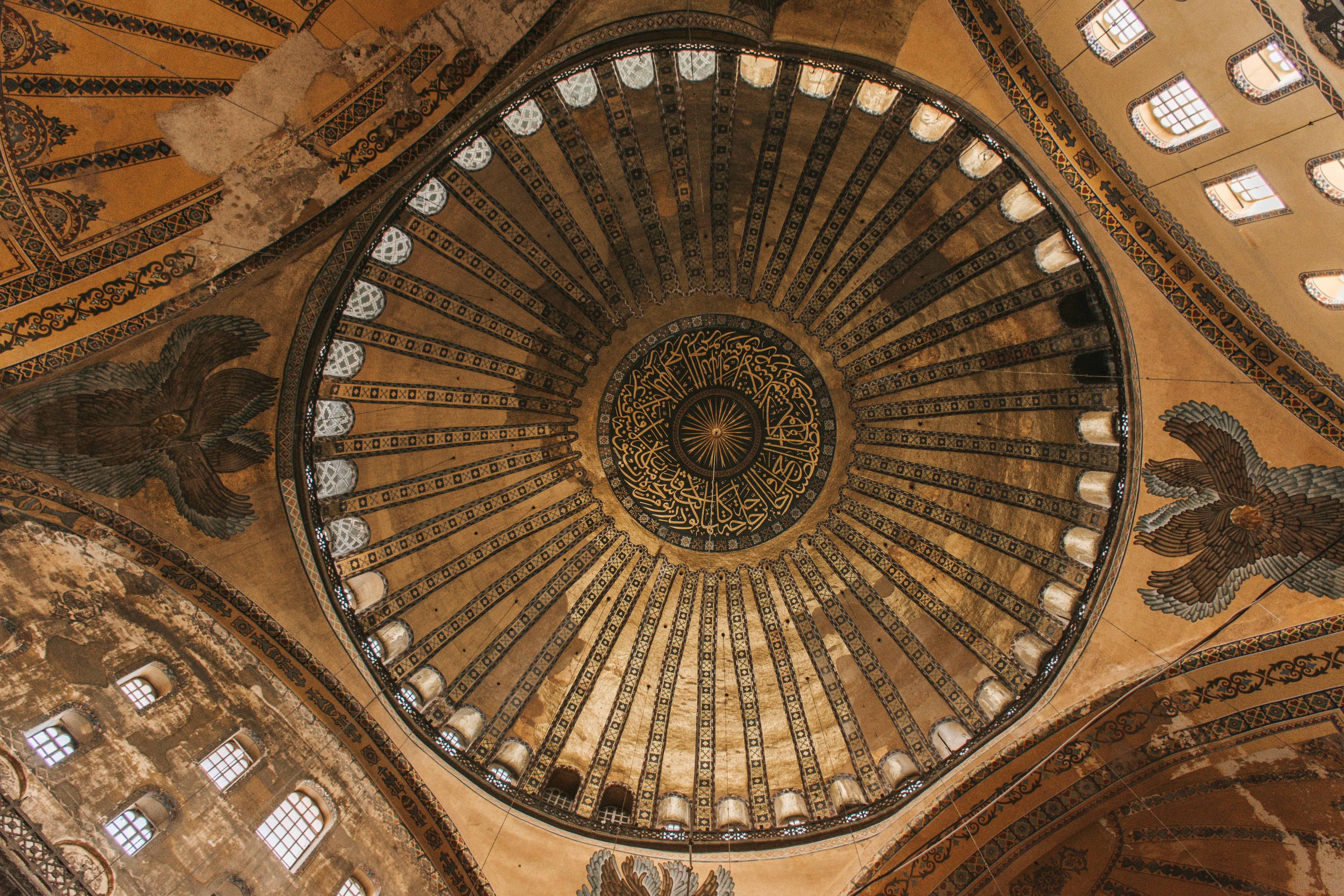
- 10,000 workers were involved in the construction of Hagia Sophia’s dome.
- It is probable that the Hagia Sophia Church was preceded by an atrium, similar to the later churches constructed on the same site.
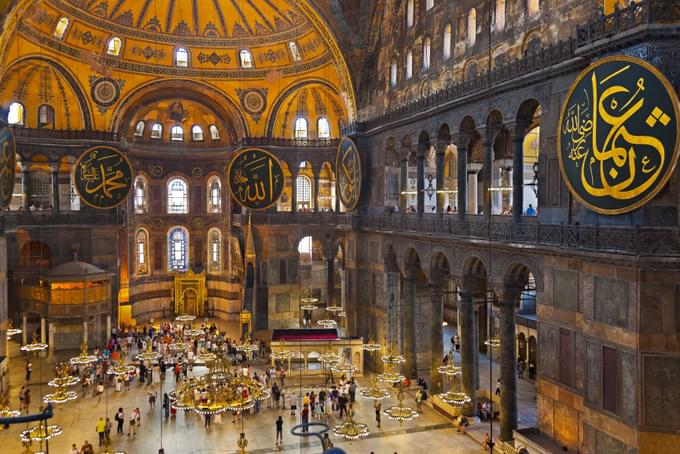
- Hagia Sophia was converted into an imperial Hagia Sophia mosque during the invasion of the Ottoman Empire in 1453.
- The Islamic Friday Prayers from the Hagia Sophia marked its transformation into a mosque.
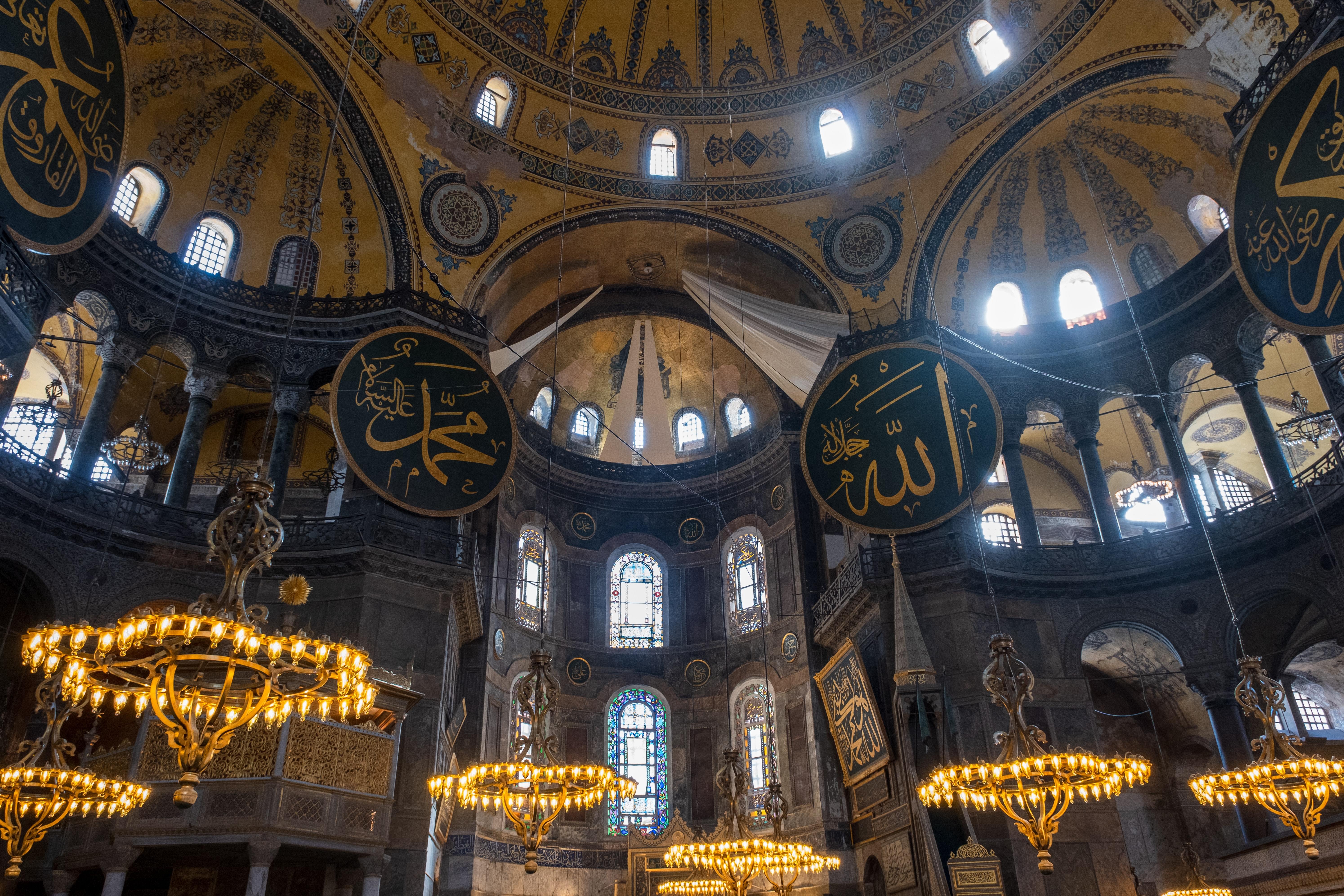
- Hagia Sophia Facts in multiple books mention Christian Relics being taken down. Instead, they were replaced with Islamic emblems and symbols.
- The fundamental structure went under multiple transformations to make it a mosque.
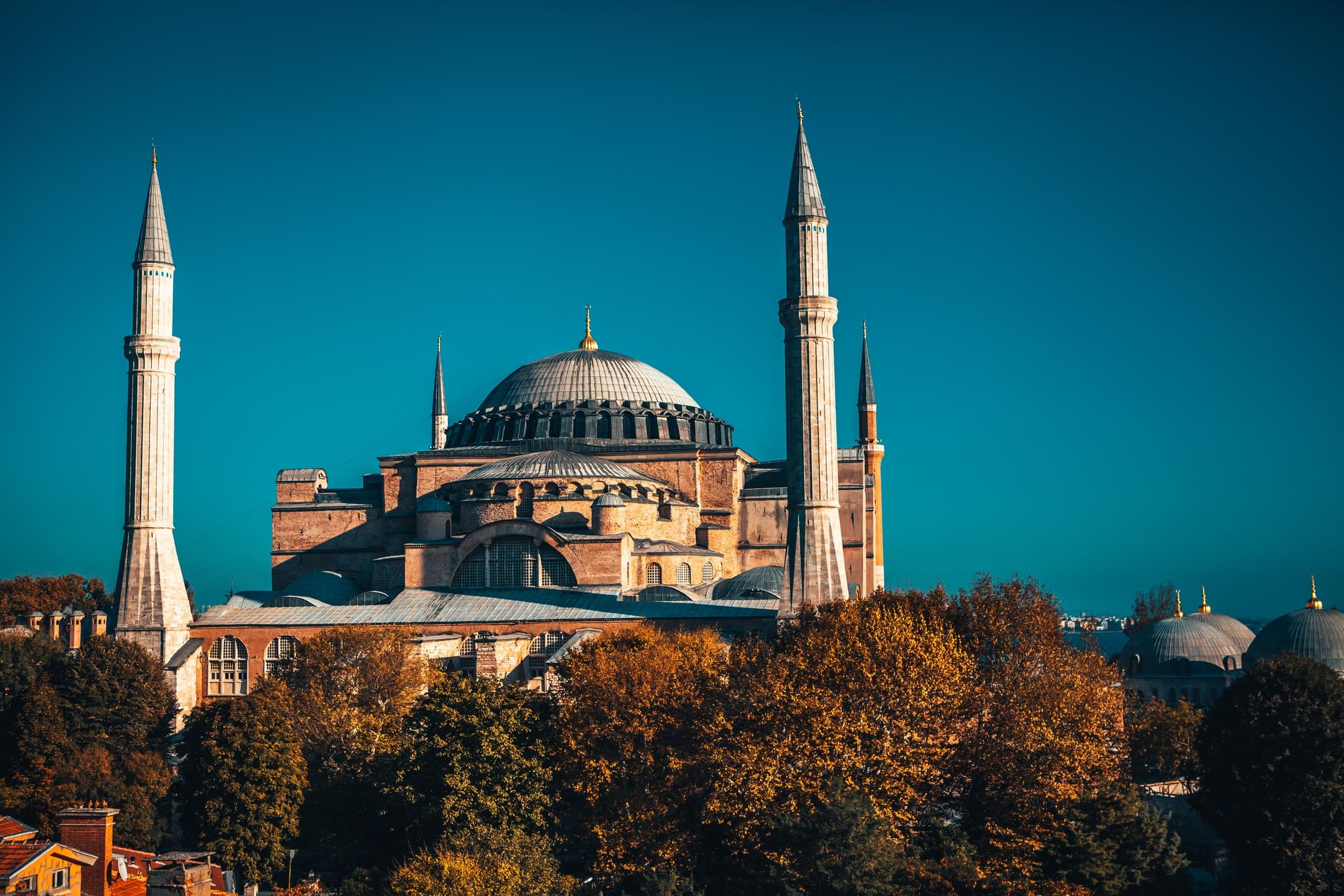
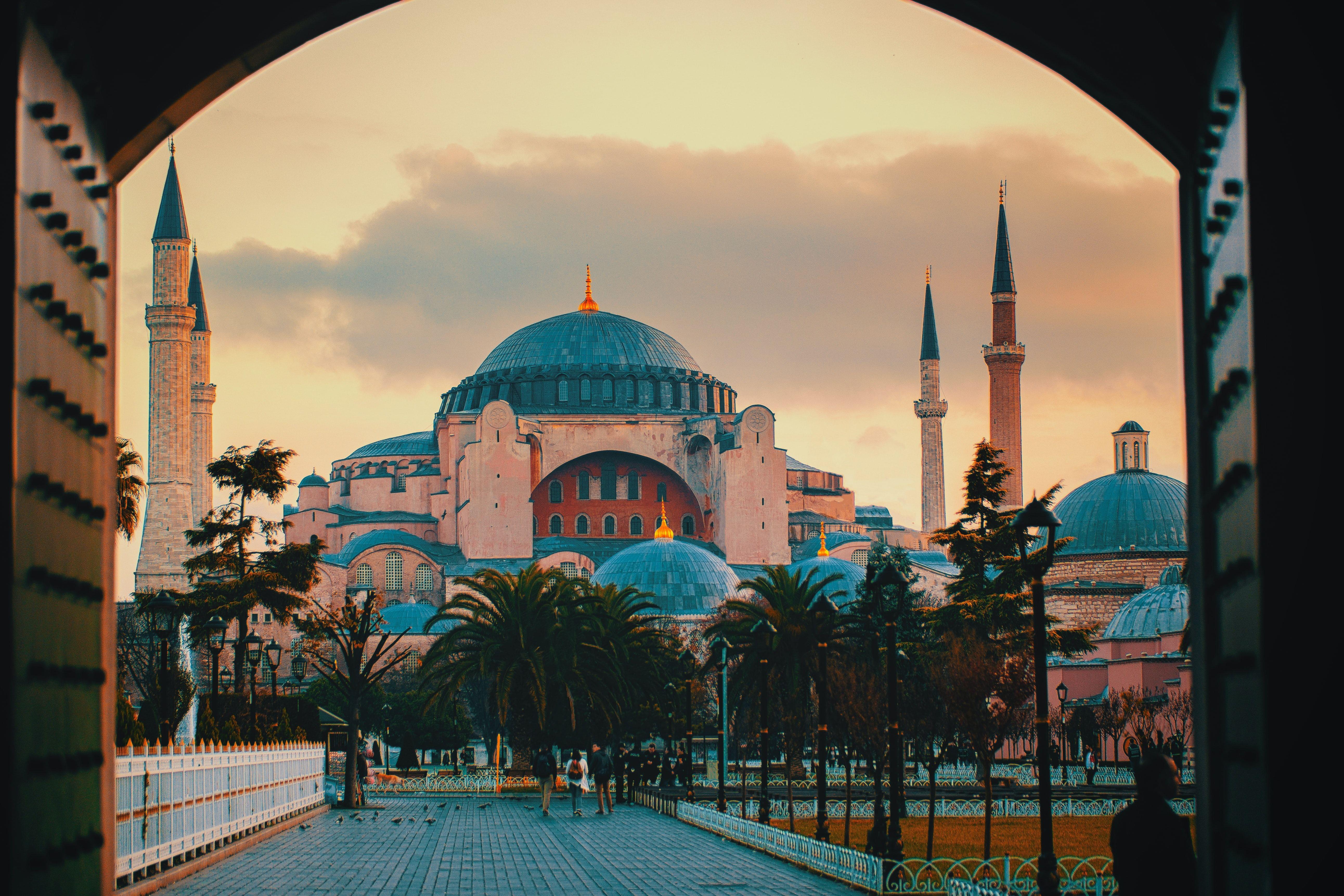
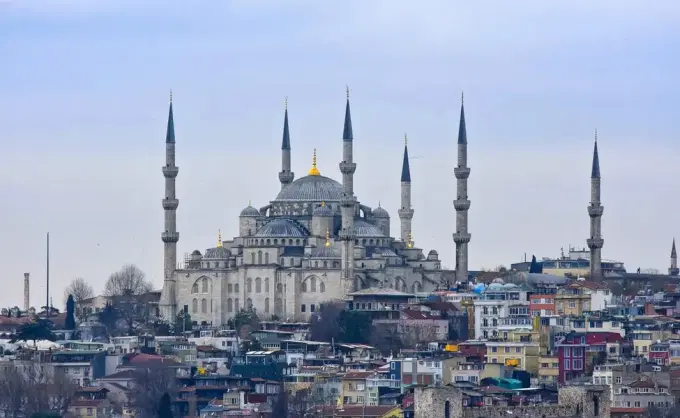
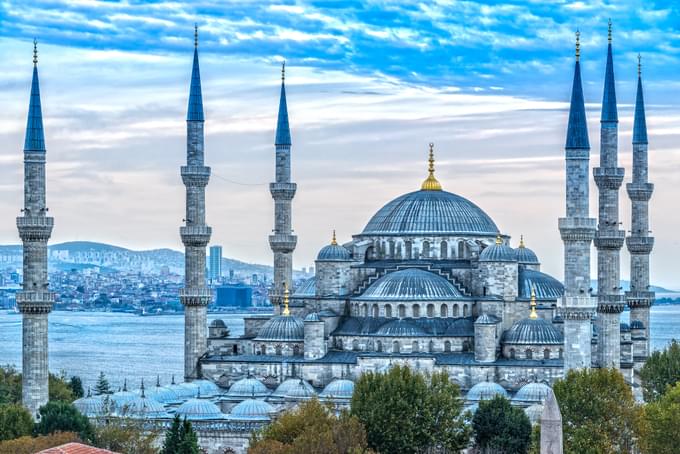
- Typical Islamic facilities like minarets were installed around the original Hagia Sophia.
- Hagia Sophia remained as a mosque until 1934 when the first president of Turkey declared it a secular structure.
Also Checkout: What to wear at Hagia Sophia
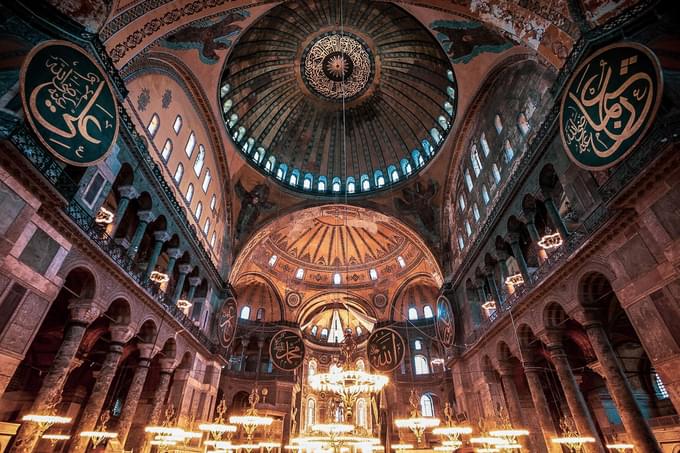
- The Hagia Sophia has witnessed the rise and fall of many empires for 15,00 years.
- Interestingly, the Hagia Sophia has been built along fault lines, and thus it is prone to earthquakes. For the very same reason, it has suffered damages over the years.
- The transition from a Christian place of worship to a pivotal position in Islamic culture, there has been an array of historical facts about Hagia Sophia.
- In 1935, when President Kemal declared Hagia Sophia a secular structure, it was converted into a Hagia Sophia museum.
- Also, it was declared a “UNESCO World Heritage Site” in 1985.
Also Explore: Places to Visit Near Hagia Sophia
Interesting Facts About the Hagia Sophia History
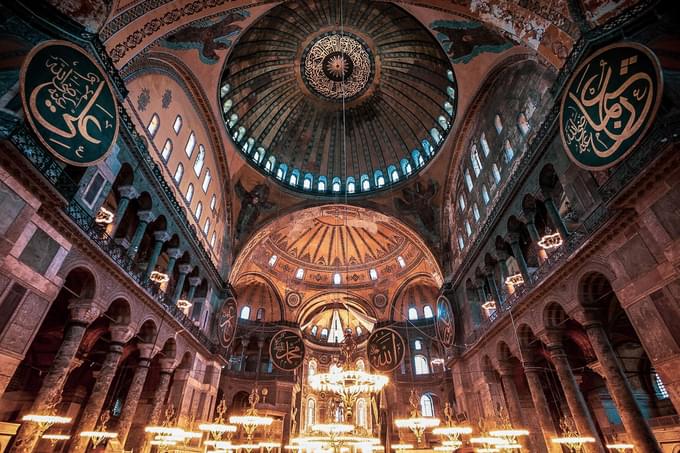
- The literal meaning of Hagia Sophia means the “Shrine of the Holy God,” whereas the word Sophia means “Wisdom” in the Greek Language.
- Hagia Sophia was the “Magna Ecclesia” (the Great Church). It was named so because of its grand structure.
- According to multiple accounts of Hagia Sophia history, it was earlier developed as a Greek Orthodox history.
- The present structure of the Hagia Sophia isn’t the original one that was earlier developed in the 6th century.
- The first phase of construction was completed in the year 360 CE by the contribution of the East Roman Empire.
- The first structure was destroyed in 404 CE during political riots.
- The second phase of construction was initiated later in 415 CE. But unfortunately, it was also burnt down to the ground in 532 CE.
- In 1453, the Ottoman Empire took over the reins of Turkey, and change came in the Hagia Sophia history.
- Ottoman Sultan Mehmed II ordered the transformation of the Hagia Sophia into an imperial mosque.
- More than 10 thousand workers were involved in the construction of the dome.
- Hagia Sophia’s dome is the second largest dome in the world, the first being the dome of the Pantheon, Rome.
- The combined history of Hagia Sophia is a whopping 1500 years old!
- In 1935, President Kamel had declared Hagia Sophia a secular site.
- Hagia Sophia was awarded the “Unesco World Heritage Site” title in 1985.
- Hagia Sophia was converted back into a mosque from a museum in the year 2020 by order of President Erdogan.
Explore: Imperial Gate of Hagia Sophia
History of Hagia Sophia
Know Before You Go Hagia Sophia
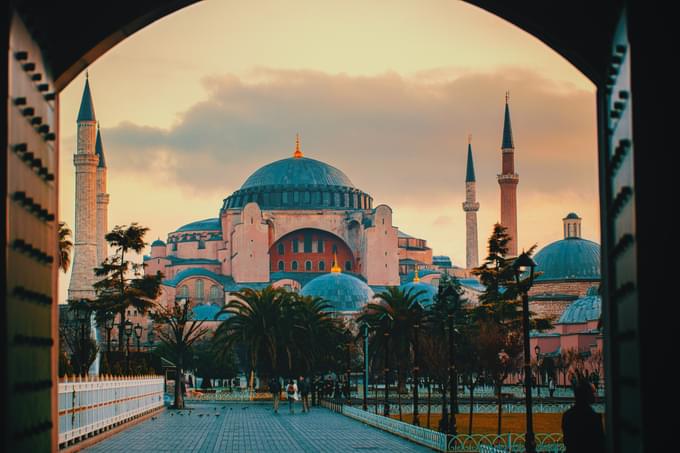
Timings: 09:00-19:30
Best Time To Visit: Visit Hagia Sophia during spring or fall for pleasant weather and fewer crowds, allowing you to admire its majestic beauty and historical significance without the hassle. You can also check out the weather report of Turkey before planning your visit to Hagia Sophia
How To Reach:
There are multiple public transport options to reach Hagia Sophia. One can simply deboard at Sultanahmet station; from there, it is a 3-4 minute walk
.jpg?w=340&dpr=2)
Getting There
Hagia Sophia is located at Sultan Ahmet, Ayasofya Meydani No.1, 34122 Fatih/ Istanbul, Turkey.
Reaching Hagia Sophia is quite comfortable because of better connectivity across Turkey.One can simply drive down to Hagia Sophia or take up public transport like the metro.
Tips:- One can use Hagia Sophia audio guides for a better experience
- The ground floor of Hagia Sophia can be accessed by wheelchair also
- People are allowed to take photographs
- Follow the proper dress code as prescribed by the authorities
Book Now: Hagia Sophia & Topkapi Palace Combo Tour
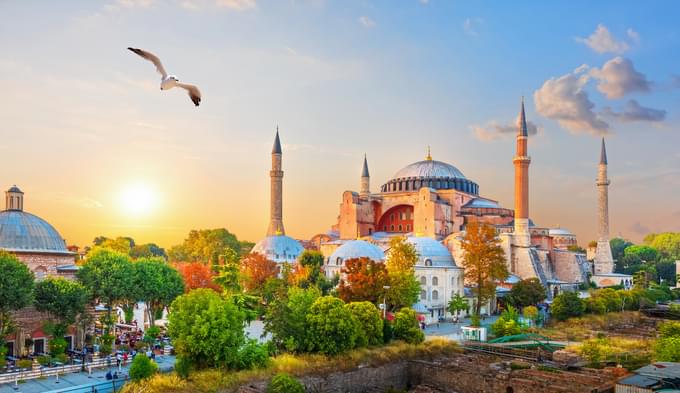
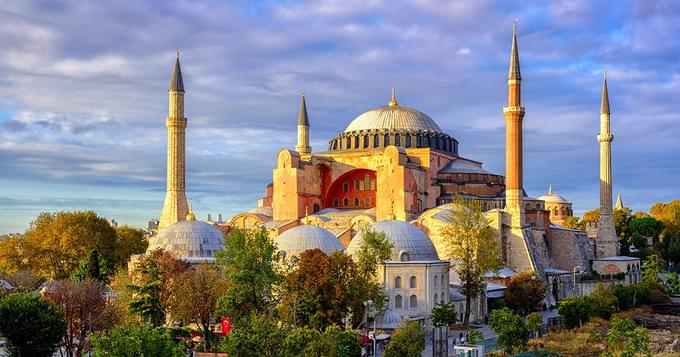
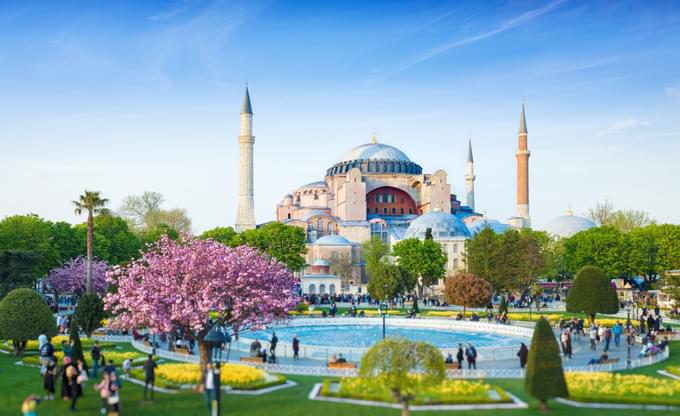
Hagia Sophia History FAQs
When was the Hagia Sophia built?
According to the Hagia Sophia history, the structure has undergone 3 phases of construction to date. It was first built in the 6th century by the East Roman Empire as a church. Then, after riots, it was rebuilt in 415 CE, and final construction took place in 537 CE, which is the present structure.
Must Visit: Sufera Hall of Dolmabahce Palace
Why is the Hagia Sophia important?
Hagia Sophia is the most visited and worshipped Islamic Shrine in Turkey. It has combined importance for both Christians and Muslims. In its early days, it was an Orthodox Christian Church. After the takeover by the Ottoman Empire, it was converted into a mosque, and all the Christian Relics were removed from it. Islamic structures like minarets were installed around Hagia Sophia.
You can Also Visit: Inside Topkapi Palace
How was the Hagia Sophia altered during the Ottoman Period?
In 1453, the Ottoman Empire took control of the whole of Turkey. After taking power, Ottoman Sultan Mehmed II ordered the conversion of Hagia Sophia into an imperial mosque. All the Christian Relics were taken down, and Islamic symbols and emblems were installed everywhere. It was the Ottoman Sultan only who named present-day Istanbul. For more information on the history and transformation of Hagia Sophia.
How did Hagia Sophia get its name?
The name of the present-day structure was never Hagia Sophia since its construction. However, as it was an orthodox church in its early days, it was named Magna Ecclesia (the Great Church) due to its vast structure and dimensions. The name “Hagia Sophia” finally came into existence post 430 CE. Today it is known by different names like Ayasofya, Sancta Sophia, and Holy Wisdom.
Also Checkout: Galata Tower Tickets
Do Hagia Sophia tickets include guided tours?
Yes, the majority of Hagia Sophia tickets include skilled local guides for guided tours.
Tickets & Tours
Tickets & Tours